
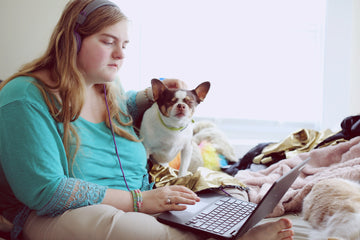
Caring for a disabled dog is less about finding one perfect device and more about building a dependable care system. Disability may be present from birth or follow illness, injury, surgery, sensory loss, or long-term mobility change; the word does not identify the medical cause or predict quality of life. Start with an individual veterinary plan, then adapt access and routines around what your dog can safely do.
Quick Answer
A disabled dog can have a comfortable, engaged life when pain and medical needs are addressed and daily care matches the dog's abilities. Create clear non-slip routes, make food, water, rest and toileting easy to reach, check skin and device contact points, and use mobility support only for a task your veterinary team has defined. Sudden weakness, collapse, breathing difficulty, uncontrolled pain, inability to urinate, or a rapid loss of function needs prompt veterinary care—not a new product trial.
Start with the care task, not the disability label
| What you are seeing or trying to do | Best first step | Support boundary |
|---|---|---|
| A new or rapidly worsening change in standing, walking, toileting, breathing, awareness, or comfort | Contact a veterinarian or emergency clinic based on severity | Do not use equipment to test whether the problem is serious |
| A stable dog slips between the bed, water, door, and toileting area | Create one short, clutter-free, non-slip route | Home setup improves access; it does not diagnose or treat the cause |
| A dog needs brief help to rise, turn, enter a vehicle, or reach a toilet area | Ask whether a correctly fitted lift harness suits that transfer | A transfer tool is not automatically suitable for longer walks |
| A dog has a veterinary plan and needs sustained rear-body support | Review front-leg strength, posture, measurements, surface, and session goals | Hand off wheelchair type and fit decisions to a dedicated guide |
| A dog cannot reposition comfortably or has regular urine or stool contact | Ask the veterinary team for a written skin, bedding, cleaning, turning, and toileting plan | Do not copy another pet's bladder, bowel, diaper, or repositioning routine |
| A dog's appetite, sleep, interaction, hygiene, mobility, or number of difficult days is changing | Record the pattern and arrange a quality-of-life discussion | One cheerful moment or one hard day should not be the only measure |
Use the table in sequence: rule out urgent change, make the daily route safer, then match support to a veterinary-approved task. This page is a care hub, not a generic mobility-aid ranking.
“Disabled dog” is a description, not a diagnosis
Two disabled dogs may need completely different care. One may be deaf but move freely; another may have stable rear-limb paralysis and need toileting help; a third may have pain or strict recovery limits. The label alone cannot choose exercise, rest, a harness, a wheelchair, or nursing care.
Ask the veterinary team to translate the diagnosis into daily instructions:
- Which movements are allowed, limited, or unsafe, and what changes require a call?
- Can the dog rise, turn, reposition, urinate, and defecate normally?
- Which skin, paw, incision, or device-contact areas need checks?
- Is the goal transfer help, protected activity, sustained support, or nursing care?
- When should the plan be reassessed?
Write the answers where every caregiver can see them. A shared plan is safer than memory when several people handle transfers, toileting, medication, or equipment.

Build one safe route through the home
Start with the path your dog uses most: bed → water → door or toileting area → family resting area. Clear clutter, secure cables, block unsafe stairs, and use flat, secure runners. Keep furniture, bowls, and the bed predictable when vision, hearing, balance, or cognition is reduced.
Choose a dry rest area that is easy to enter and large enough for position changes. Soft bedding can protect pressure points, but a bed that slides or collapses around the dog may make rising harder. Check a ramp as part of the whole route—surface, width, edges, slope, landing space, and whether the dog twists or rushes. Use the transfer method the veterinary team demonstrated; do not lift by the legs, collar, tail, or a painful area.

Create a daily routine another caregiver can follow
A repeatable routine makes changes easier to notice and reduces rushed handling. It should show any caregiver what a normal day looks like.
| Checkpoint | What to record | Why it matters |
|---|---|---|
| Morning | Ease of waking, breathing, rising, first toilet trip, appetite, water interest | Shows whether the night changed comfort or function |
| During each support session | Task, surface, equipment used, duration set by the care plan, fatigue, posture, paw placement | Helps distinguish a useful session from one that is too difficult |
| Skin and hygiene check | Redness, dampness, odour, hair loss, swelling, heat, wounds, or device rub | Finds small problems before more pressure or moisture is added |
| Toileting | Time, urine or stool passed, straining, accidents, colour or odour changes specified by the clinic | Supports medical follow-up and hygiene planning |
| Evening | Appetite, interaction, rest, pain behaviours, recovery after activity | Shows whether the day remained manageable |
Record observations, not diagnoses: “needed two attempts to rise and slipped left” is more useful than “arthritis worse.” A short video of natural movement may help the veterinary team, but never provoke a difficult movement. Leave time for transitions and keep approved equipment and cleaning supplies near the care area.
Match mobility support to one defined job
Mobility support works best when the job is precise. A lift harness may suit a short rise, toilet trip, turn, or transfer. A wheelchair may be discussed for sustained supported movement when the dog has the strength, comfort, posture, and clinical clearance to work with the frame. Rear and full support solve different tasks; more support is not automatically better.
If the front legs remain strong and the main need is ongoing rear-body support, use the Dog Wheelchair Buying Guide to understand the type decision, then follow the wheelchair measurement guide. If the need is only a short assist, the Lift Harness vs Dog Wheelchair guide explains why the two tools are not interchangeable.
Introduce an approved device in a calm, clear space and stay within the care plan. Watch alignment, breathing, fatigue, paw contact, fear, rubbing, and recovery afterward. Judge success by whether the defined routine becomes safer without creating a new problem—not by time or distance.

For a dog whose back legs suddenly collapse or rapidly worsen, start with Old Dog Back Legs Collapsing: Vet Red Flags and Home Help rather than a device. For persistent weakness that is already being evaluated, Hind Leg Weakness in Dogs and Dog Weak Back Legs: Daily Support Options provide narrower follow-up paths.
Protect skin, paws, and pressure points
Dogs who lie in one position, drag a limb, or use equipment can develop problems where pressure, friction, heat, or moisture collect. Check the areas your veterinary team identifies and the skin under straps and padding. Look for persistent redness, hair loss, dampness, swelling, heat, discharge, odour, broken skin, or a cold or discoloured paw. Remove the device and ask for guidance; do not answer rubbing by tightening every strap or extending wear.
Keep bedding dry and smooth, clean soiling with the recommended method, and dry the skin. A dog who cannot reposition may need assistance, but timing and handling must be individualized.

Plan toileting and hygiene with the veterinary team
Mobility difficulty and bladder or bowel dysfunction are not the same. Some dogs only need help reaching the toilet area; others leak, retain urine, cannot posture, or need a medically directed routine. Wet bedding does not prove normal bladder emptying.
Ask the veterinary team these practical questions:
- Can my dog urinate and defecate independently, and what suggests incomplete emptying?
- Do I need a hands-on demonstration, and who should perform the task?
- How often should this dog receive toilet opportunities or checks?
- Which changes in volume, colour, odour, straining, discomfort, or frequency require a call?
- Are diapers appropriate, and how will we protect the skin from moisture?
Do not learn bladder expression from a general article alone. If a diaper is in the plan, change it promptly, clean and dry the skin, and never use it instead of toilet access or bladder assessment.
Keep rest, enrichment, and family life accessible
A dog may still want to sniff, train, greet family, rest nearby, or explore a safe area. Offer reachable choices: a quiet and a social bed, food puzzles without unsafe posture, scent games on stable flooring, or brief outdoor time within the veterinary plan. Enthusiasm does not make every activity safe; watch fatigue, avoidance, trembling, guarding, irritability, or slow recovery.
Keep important routines predictable but reassess access, support, rest, and enrichment after a diagnosis, pain flare, fall, skin problem, medication change, or loss of function.

Track quality of life as a pattern, not a single score
Mobility is only one part of quality of life. A dog using wheels or toileting help may still enjoy food, family, scent, rest, and play; a walking dog may still have pain, breathing distress, nausea, poor sleep, or declining interaction.
Track several dimensions together:
- comfort, pain behaviours, and breathing;
- appetite and hydration;
- hygiene, skin, and toileting;
- ability to reach essential places with the planned help;
- interest in familiar people and activities;
- rest and recovery after the day's routine;
- the balance of manageable days and difficult days.
A weekly log can reveal trends. Define a good, manageable, and difficult day for your dog and share the record with the veterinary team. A quality-of-life tool organizes the conversation; it does not make the decision by itself.
When to call a vet
Contact your veterinarian for a new change in mobility, pain, appetite, drinking, toileting, sleep, behaviour, skin, or device tolerance. Ask for prompt review if a necessary task is no longer manageable with the usual help.
Seek urgent or emergency guidance for:
- collapse, loss of awareness, marked weakness, or a rapid loss of the ability to stand or walk;
- difficult or laboured breathing, blue or very pale gums, or severe distress;
- major trauma, uncontrolled bleeding, an obvious fracture or deformity, or severe and worsening pain;
- repeated straining with no urine, inability to urinate, a suddenly enlarged or painful abdomen, or a rapid change in bladder function;
- new paralysis, multiple-limb involvement, severe loss of balance, or a fast neurologic change;
- a deep wound, rapidly worsening pressure sore, marked swelling, discharge, bad odour, feverish illness, or a cold/discoloured limb;
- vomiting, diarrhoea, refusal of food or water, or medication effects that your veterinary team has told you require urgent review.
If urgency is unclear, call and describe what changed, when it started, whether the dog can breathe and respond normally, and whether urine is passing. Do not delay for a harness, wheelchair, brace, diaper, exercise, or human medication.
Helpful Pawsbetter support options
Use product pages only after the support task is clear. The Dog Mobility Aids Collection is a broad path for defined transfer, sustained-support, or access needs—not a diagnosis or veterinary plan.
- For brief rear-body help during an approved rise, toilet trip, or transfer, review the current structure and measuring instructions for the Dog Lift Dog Harness. It is not automatically the right tool for long walks or an unassessed painful change.
- When the front legs remain capable and the defined task is sustained rear-body support, the Back Leg Dog Wheelchair Pro is one product path to review after using the wheelchair type and measurement guides.
- When both front and rear support have been discussed, review the current fit and structure information for the Full Support Dog Wheelchair. Full support is a different task, not a “stronger” default for every disabled dog.
Check current product instructions before measuring or fitting. Stop and request review for rubbing, swelling, discolouration, breathing difficulty, worsening gait, fear, or unusual fatigue. These products do not treat the disability, promise rehabilitation, or replace veterinary care.
FAQ
Can a disabled dog still have a good quality of life?
Yes. Many enjoy food, rest, family, scent, play, and appropriate activity when medical needs are managed and the environment fits. Judge comfort, breathing, appetite, hydration, hygiene, mobility, interaction, rest, and day-to-day pattern—not walking alone.
How do I make my home safer for a disabled dog?
Create one short, clutter-free route between bed, water, family, and toilet areas. Add secure traction, block stairs, keep key items predictable, and check ramps for surface, width, slope, edges, and landing space. Confirm safe transfers with the veterinary team.
Does every disabled dog need a wheelchair?
No. Some need only environmental changes; others need brief assistance, sustained wheeled support, or nursing care. A wheelchair must match an identified task, the limbs that can work, measurements, and veterinary guidance.
Can a dog stay in a wheelchair all day?
Do not assume so. Session length, rest, toileting, skin checks, and repositioning depend on the dog, diagnosis, frame, fit, surface, and clinical plan. Stop for rubbing, distress, fatigue, swelling, discolouration, or worse movement.
How can I help prevent pressure sores and rubbing?
Keep bedding clean, dry, smooth, and supportive; reposition only as instructed; and check pressure points, paws, and device contact. Remove equipment and call for persistent redness, broken skin, swelling, discharge, odour, or a cold or discoloured paw.
What should I do if my disabled dog has urine or stool accidents?
Seek veterinary guidance because accidents can reflect access, pain, infection, medication, cognition, or bladder/bowel dysfunction. Offer approved toilet access, keep skin dry, and use diapers only within a hygiene plan. Never attempt bladder expression without hands-on instruction.
How do I know when my dog's quality of life is changing?
Track comfort, breathing, appetite, hydration, hygiene, toileting, supported mobility, interaction, rest, and manageable versus difficult days. Share trends with the veterinary team; a scale or diary organizes the discussion but does not decide it.
Sources
- Texas A&M Veterinary Medicine & Biomedical Sciences: Caring for Dogs With Special Needs
- VCA Animal Hospitals: Homecare for Paralyzed Pets
- MSD Veterinary Manual: HHHHHMM Quality-of-Life Scale
- VCA Animal Hospitals: Common Emergencies in Dogs
This article is for general education. It does not diagnose a disability, provide an individual nursing or rehabilitation plan, or promise recovery. Contact a veterinarian about any new or changing medical, mobility, skin, toileting, pain, breathing, or quality-of-life concern.


