
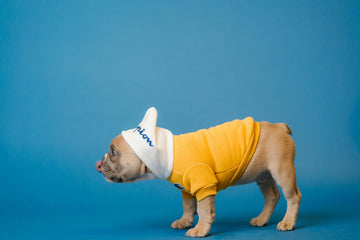
A recovery suit can be a practical way to limit access to an approved body area after surgery or during veterinary-directed skin care. It only works when the garment covers the correct location, fits without rubbing, stays clean and dry, and follows the instructions given for your dog's wound.
Quick Answer
A recovery suit for dogs is close-fitting protective clothing that may help limit licking or scratching of a selected torso or limb area when your veterinarian approves garment coverage. It does not treat the wound, prevent infection, speed healing, replace an E-collar in every case, or make extra activity safe. Choose by wound location and exact product fit, then check reach, skin, moisture, toileting, and comfort every day.
Is a recovery suit appropriate for this situation?
| Situation | Best next step | Recovery-suit role |
|---|---|---|
| A clean, closed torso incision and the surgical team approves fabric coverage | Follow the discharge plan and measure for the exact garment | A well-fitted suit may provide approved coverage if the dog cannot reach around it |
| A front- or rear-leg area needs protection | Confirm the exact length and coverage required | A limb-coverage suit may fit; a torso-only suit may leave the area exposed |
| The wound is open, draining, infected, heavily bandaged, or must stay uncovered | Contact the veterinary team before adding clothing | Do not cover it unless specifically instructed |
| The dog can lick through fabric or reach an opening | Use the protection method approved by the clinic | A suit alone is not enough; an E-collar or another plan may be safer |
| The garment is wet, soiled, twisted, tight, rubbing, or blocking toileting | Remove or change it as instructed and check the skin and wound | Do not keep tightening or leave damp fabric against the body |
| Redness, swelling, heat, discharge, odor, bleeding, separation, or pain increases | Call the veterinary clinic | Equipment must not delay assessment |
Use the table to decide whether the next step is measurement, a different protection category, or a call to the clinic. Do not use clothing to hide a wound change that needs examination.
What is a recovery suit for dogs?
A dog recovery suit is a fitted garment designed to cover a defined part of the body. Depending on the design, it may cover the abdomen and trunk, extend over one or more legs, or leave selected areas open for movement and toileting. Owners may also call it a dog surgical suit, post-surgery suit, or dog bodysuit.
Its job is physical access control. Fabric creates a barrier between the dog's mouth or nails and an approved area. The suit does not sterilize the skin, hold a joint stable, replace a bandage, deliver medication, or guarantee that an incision will remain protected. A determined or flexible dog may still lick through the fabric or reach an edge.
That is why the first question is not “Will my dog prefer a suit?” It is “Does this garment safely cover the correct area and stop my dog reaching it?”
Follow the discharge instructions before choosing clothing
The veterinary team should define what the wound or incision needs. Some clean, closed incisions may be suitable for a recovery garment. Other wounds need a particular dressing, drainage, air exposure, or direct observation that clothing would interfere with.
Keep the area dry unless the clinic says otherwise. Do not apply alcohol, hydrogen peroxide, essential oils, powders, sprays, creams, or home bandages without instruction. A suit does not make bathing, swimming, unrestricted play, stairs, or jumping safe during a prescribed rest period.
If your dog develops new limping, refuses to bear weight, or becomes more painful, read the dog limping red-flags guide and contact the clinic. After an orthopaedic procedure, the diagnosis and rehabilitation plan—not the garment—determine safe activity; the torn ACL in dogs guide provides additional background.
Match recovery-suit coverage to the body area
A standard torso suit may cover the chest, back, abdomen, and groin while leaving the head, paws, and much of the legs open. That may suit some abdominal incisions, but it cannot protect every tail, paw, lower-leg, face, or neck area.
A front-leg recovery suit extends coverage over one or both forelimbs. A four-leg design covers more of the limbs and body. A leg-free design prioritizes torso coverage and easier limb movement. More fabric is not automatically better: extra coverage can increase heat, moisture, rubbing, and toileting complexity.
Trace the edges in every normal posture. When your dog stands, lies down, curls, turns, or stretches, does the protected area remain inside the garment? Can the nose reach a leg opening? Does an edge roll away from the incision? Does the fabric touch an area that should remain uncovered? These checks are more useful than choosing by product name alone.

How to measure and check recovery-suit fit
Use the size guide for the exact product. Recovery-suit brands may use different measurements, so do not reuse a wheelchair, harness, or another garment's sizing method. Common measurements include back length, chest girth, neck girth, waist, body weight, and sometimes limb length.
The suit should lie close enough to stay in place without compressing the neck, chest, abdomen, groin, armpits, or limbs. Your dog should be able to breathe, swallow, stand, lie down, and toilet normally within the activity limits set by the clinic. Seams, closures, and elastic edges should not sit directly on a painful or sensitive area.
Watch the first fitted session. Stop if the dog freezes, vocalizes, pants unusually, repeatedly bites the garment, changes gait, or cannot settle. After removal, check for persistent redness, chafing, swelling, dampness, cold or discolored skin, or hair caught in a closure. Ask for sizing help rather than tightening a poor fit.

Putting on and removing the suit safely
Follow the garment instructions and the handling limits in the discharge plan. Support your dog's body without forcing a painful joint or pulling a sore limb through a small opening. If putting the suit on requires a movement the clinic restricted, stop and ask for another method.
Fasten the suit in a consistent order so it lies flat. Confirm that no strap or fabric twist sits under the chest or abdomen. Recheck the fit after your dog walks a few supervised steps or changes position, because a garment that looked centered while standing may shift when the dog lies down.
Remove or open the suit only as instructed for inspection, cleaning, or toileting. Prevent access to the wound during that interval; a few seconds of licking can still damage tissue or introduce contamination.
Toileting, cleaning, and a spare-suit routine
Learn how the rear opening or roll-up section works before your dog needs to toilet. Fabric should not obstruct urination or defecation, drag on the ground, or fold back against the wound. Check the garment after every toilet trip and change it promptly if it becomes wet or soiled.
Wash according to the product instructions and the veterinary plan. Detergent residue, fragrance, rough seams, or a damp garment can irritate skin. A second approved suit may make it easier to keep coverage available while one is being cleaned and fully dried, but both must fit correctly.
Do not place a wet suit back on the dog to maintain continuous coverage. Use the alternative protection method approved by the clinic while the garment is being changed or dried.

Perform a supervised reach and skin check
Once the suit is fitted, watch your dog turn naturally toward the protected area. Do not repeatedly provoke licking; simply confirm that the mouth cannot reach through an opening, under an edge, or through stretched fabric. Recheck after movement, toileting, and sleep because the garment can shift.
Inspect the wound and contact areas as often as your veterinary team instructs. Look for changes in the incision as well as problems created by the garment. Increasing redness, swelling, warmth, moisture, discharge, odor, bleeding, separation, or pain needs veterinary guidance. Skin beneath elastic or fasteners should not remain red, swollen, cold, discolored, or broken.
There is no universal safe “all day and night” schedule. The procedure, wound, garment, fit, behavior, environment, and discharge instructions determine how protection is used. Do not copy another dog's timeline.

When a recovery suit is not enough
A suit may be unsuitable if the dog can still reach the area, the wound lies outside its coverage, fabric contact is not allowed, the garment cannot stay dry, or your dog persistently chews and pulls it. In those situations, an Elizabethan collar, an approved sleeve, or another plan may offer more reliable access control.
The recovery suit vs E-collar vs anti-lick sleeves comparison explains how the three categories differ by reach path and body location. Do not switch away from a veterinarian-prescribed cone simply because a suit looks more comfortable; verify that the alternative is safe for the specific wound.
When to call a vet
Call the clinic if the suit will not stay positioned, causes rubbing or swelling, becomes repeatedly contaminated, blocks toileting, or fails to stop licking and chewing. Also report increasing redness, heat, swelling, discharge, odor, bleeding, wound separation, worsening pain, poor appetite, repeated vomiting, unusual lethargy, or changes in urination or defecation.
Seek urgent advice for breathing difficulty, collapse, pale or blue gums, uncontrolled bleeding, severe pain, reduced responsiveness, or sudden inability to use a limb. Remove a garment immediately if it restricts breathing, swallowing, circulation, or safe movement, and follow emergency instructions.
Helpful Pawsbetter recovery-suit options
After your veterinary team confirms that garment coverage is appropriate, start with the Dog Recovery Support Collection or the focused Dog Recovery Suit Collection. Choose by the required body area, exact measurements, closure layout, toileting access, and your dog's tolerance.
- Recovery Suit for Small and Medium Dogs: compare its torso coverage and openings with the location your veterinarian wants protected.
- Front-Leg Dog Recovery Suit: consider when approved coverage must extend from the torso onto a front limb.
- Four-Leg Dog Recovery Suit: broader limb coverage can help only when the extra fabric matches the protected areas and does not create heat, moisture, or rubbing.
- Leg-Free Dog Recovery Suit: a torso-focused option when free limb movement and the garment's body coverage match the clinical plan.
Measure for the exact model. Product names and coverage diagrams help identify the category, but the veterinary instructions, real fit, and supervised reach test determine whether the suit is appropriate.
FAQ
Are recovery suits safe for dogs?
They may be appropriate when a veterinarian approves garment coverage and the suit fits, stays dry, allows breathing and toileting, and prevents access to the target area. A suit that rubs, traps moisture, restricts movement, or can be worked around is not safe protection for that situation.
Are surgical suits good for dogs after spaying or neutering?
Some dogs may use an approved torso suit after spay or neuter procedures, but the incision location, closure, fit, behavior, and discharge instructions matter. Do not assume every dog can replace the prescribed E-collar with a suit.
How should a recovery suit for dogs fit?
It should stay centered and cover the intended area without compressing the neck, chest, abdomen, groin, armpits, or limbs. The dog should be able to breathe, swallow, rest, and toilet normally within prescribed activity limits, with no persistent rubbing or skin changes.
Can my dog sleep in a recovery suit?
Only according to the veterinary plan and when the fitted suit remains protective during sleep. Some dogs chew fabric or shift the garment when unsupervised and may need an E-collar or another approved method. There is no universal overnight rule.
How often should I check the suit and incision?
Follow the schedule provided by your clinic. Also check whenever the suit shifts, becomes wet or soiled, after toileting, and if your dog shows pain or tries to remove it. Do not leave the wound hidden when the discharge plan requires observation.
What should I do if the recovery suit gets wet or dirty?
Change it according to the clinical and product instructions, keep the wound protected during the change, and use only a clean, fully dry approved garment. Contact the clinic if urine, stool, discharge, or another contaminant reaches the wound.
When is a recovery suit not enough?
It is not enough when the dog can still reach the wound, the area sits outside the coverage, the fabric is not allowed to touch the site, or the suit creates pressure, moisture, or toileting problems. Ask whether a properly fitted E-collar, a location-specific sleeve, or another plan is safer.


